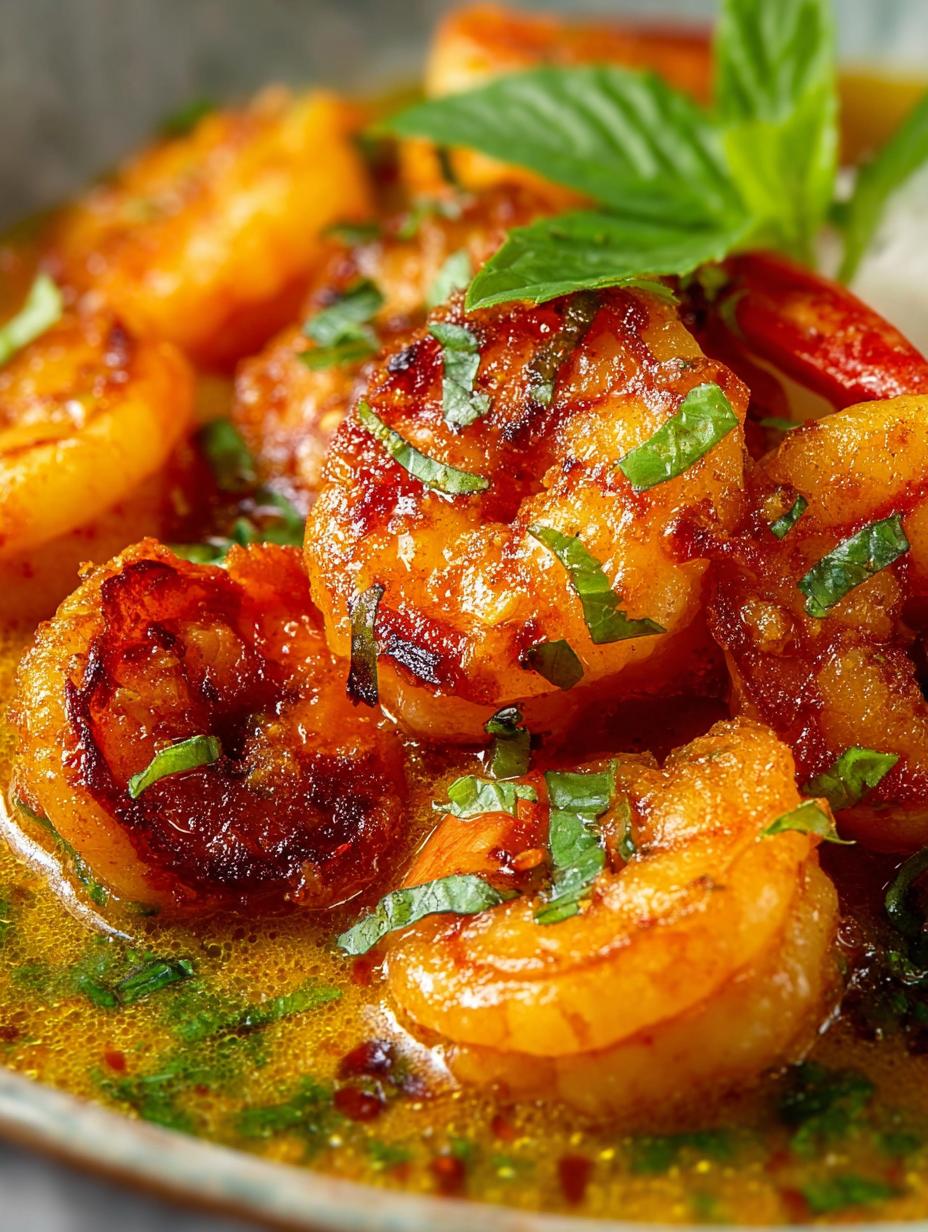
Thai Coconut Shrimp Curry is a delightful dish that combines the rich flavors of succulent jumbo shrimp simmered in a creamy coconut milk sauce infused with aromatic spices. This recipe not only brings authentic Thai flavors to your dinner table but also does so in just 30 minutes. It’s perfect for busy weeknights when you crave something comforting yet exotic. The balance of creamy coconut, zesty lime, and fragrant herbs makes this curry a must-try!
Why You’ll Love This Thai Coconut Shrimp Curry
This dish is a favorite for many reasons. Firstly, it’s a quick and easy recipe, making it perfect for a busy weeknight dinner. With just a handful of ingredients, you can create a flavorful meal that rivals any restaurant dish. The use of coconut milk not only adds a creamy texture but also enhances the flavors, making every bite a delight. Additionally, it’s gluten-free and can be made spicy or mild, depending on your preference. You can serve it over steamed rice or noodles, making it a versatile choice for any meal. Plus, it’s packed with protein from the shrimp, making it a healthy option!
Ingredients for Thai Coconut Shrimp Curry
Gather these items:
- 1.5 lb jumbo shrimp, peeled and deveined, tail ON
- 1 tablespoon red curry paste
- 1 teaspoon soy sauce
- 1 teaspoon curry powder
- ½ teaspoon salt, or more to taste
- ¾ teaspoon black pepper
- 1 tablespoon olive oil
- 1 tablespoon unsalted butter
- 1 teaspoon garlic, minced
- 1 teaspoon ginger, grated
- 1 shallot, finely chopped
- ¾ cup chicken broth, low sodium
- 2½ tablespoons red curry paste
- 2 tablespoons soy sauce
- 1 tablespoon brown sugar
- 1 teaspoon coriander powder
- ½ teaspoon turmeric powder
- ½ teaspoon salt
- ½ teaspoon black pepper
- 1 can full fat coconut milk, 14 oz.
- 1 tablespoon fresh lime juice
- 5-6 Thai basil leaves
- Chopped cilantro, to garnish
- Lime wedges, to serve
How to Make Thai Coconut Shrimp Curry Step-by-Step
- Step 1: Pat dry the shrimp with a kitchen towel to remove excess moisture. In a bowl, combine the shrimp with red curry paste, soy sauce, curry powder, salt, and black pepper. Toss thoroughly until each shrimp is well coated with the seasoning.
- Step 2: Heat a skillet over medium heat and add olive oil. When the oil is hot, add the seasoned shrimp and cook for 4-5 minutes, stirring occasionally, until the shrimp turns opaque and is fully cooked. Remove the shrimp from the skillet and set aside on a plate.
- Step 3: In the same skillet, add unsalted butter. Once melted, add the minced garlic, grated ginger, and finely chopped shallots. Sauté for about 2 minutes until the shallots become soft and fragrant.
- Step 4: Pour in the low sodium chicken broth to deglaze the pan, scraping up any browned bits. Stir in the red curry paste and soy sauce to combine evenly.
- Step 5: Stir in brown sugar, coriander powder, turmeric powder, salt, and black pepper. Let the sauce simmer gently for 2-3 minutes to meld the flavors.
- Step 6: Pour in the full-fat coconut milk and bring the mixture to a boil. Reduce the heat and simmer for 5 minutes, allowing the sauce to thicken slightly.
- Step 7: Return the cooked shrimp to the skillet and stir to coat. Let them cook in the curry for an additional 2 minutes to absorb the flavors.
- Step 8: Stir in fresh lime juice and add Thai basil leaves. Remove the skillet from heat immediately to preserve the fresh basil aroma.
- Step 9: Garnish the curry with chopped cilantro and serve hot over steamed basmati rice. Add lime wedges on the side for extra zest if desired.
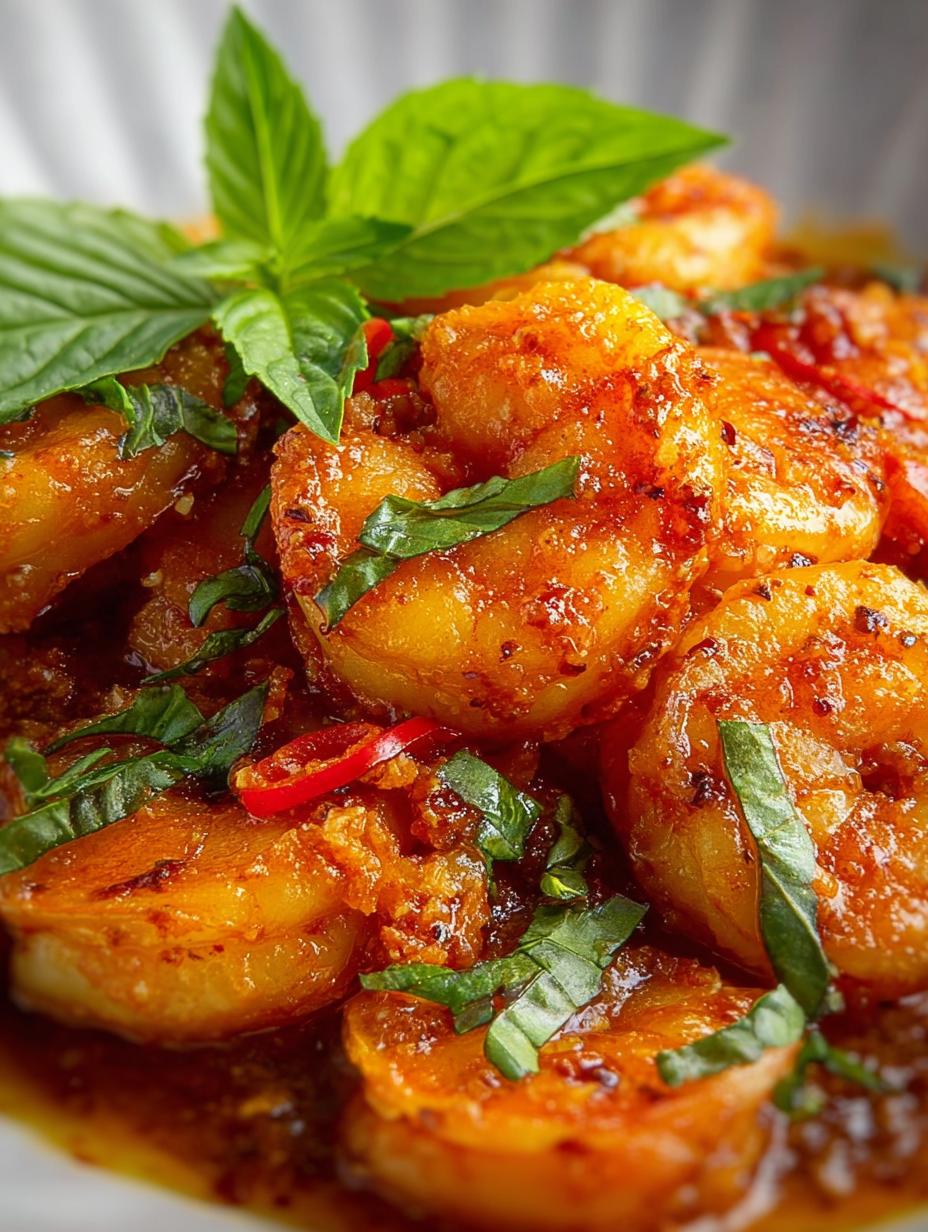
Pro Tips for the Best Thai Coconut Shrimp Curry
Keep these in mind:
- Serve with steamed basmati rice for an authentic experience.
- Adjust seasoning according to taste for a personalized touch.
- Use fresh herbs for better flavor, enhancing the dish’s aroma.
- For a spicy coconut shrimp curry, add more red curry paste or sliced chili peppers.
- Use fresh lime juice just before serving to maintain its bright flavor.
Best Ways to Serve Thai Coconut Shrimp Curry
This delicious curry is best served over steamed basmati rice, which absorbs the rich coconut sauce beautifully. You can also pair it with jasmine rice for a fragrant alternative. For a lighter option, serve it with rice noodles or zucchini noodles. Adding a side of steamed vegetables or a fresh salad complements the dish perfectly, making it a well-rounded meal.
How to Store and Reheat Thai Coconut Shrimp Curry
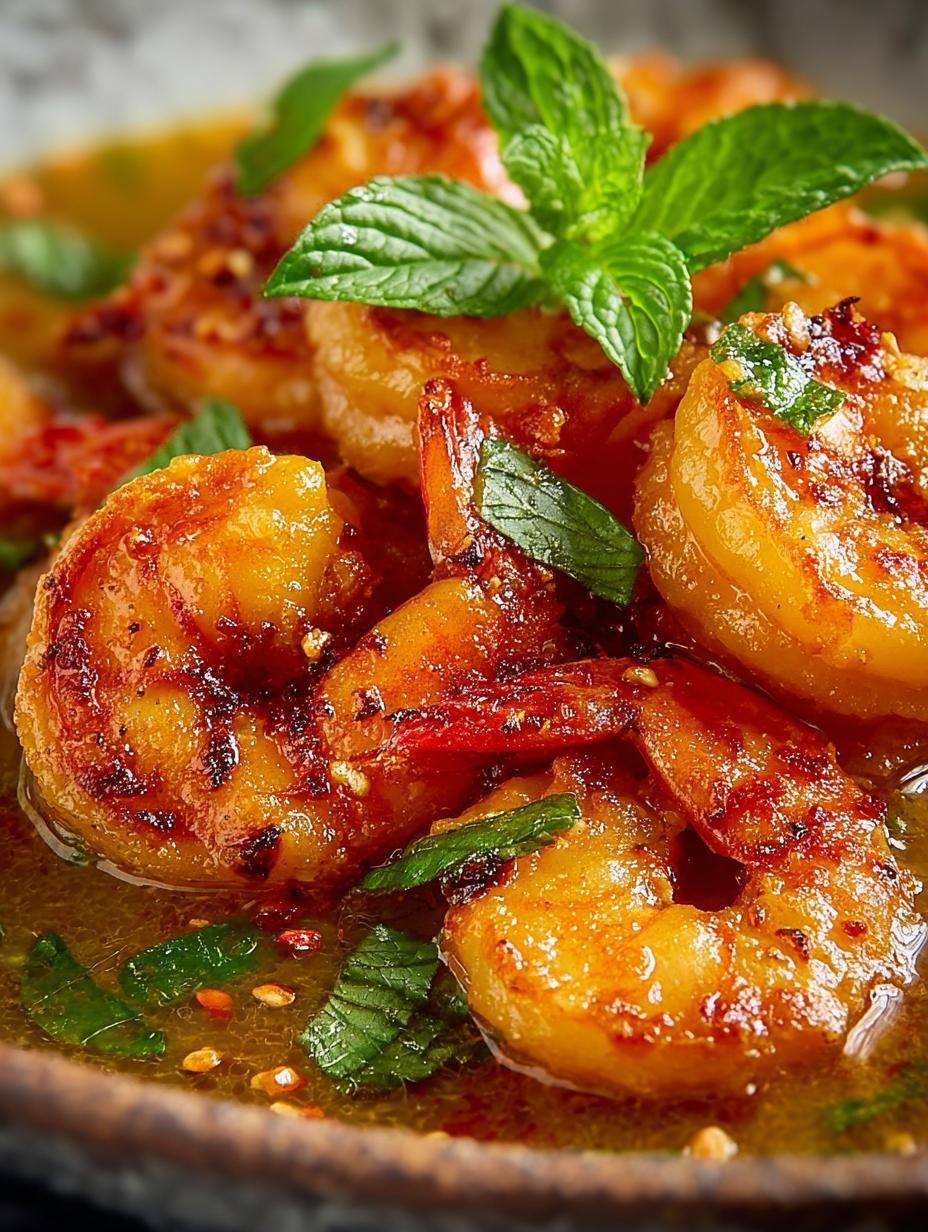
To store leftovers, allow the curry to cool completely before transferring it to an airtight container. It can be kept in the refrigerator for up to 3 days. Reheat on the stovetop over low heat, stirring occasionally, until warmed through. This meal is great for meal prepping, allowing you to enjoy a quick and flavorful dish throughout the week.
Frequently Asked Questions About Thai Coconut Shrimp Curry
What’s the secret to perfect Thai Coconut Shrimp Curry?
The secret lies in perfectly cooking the shrimp and using fresh ingredients. Ensure the shrimp are not overcooked and the herbs are fresh for the best flavor. Also, balance the spiciness of the curry paste with the sweetness of the coconut milk.
Can I make Thai Coconut Shrimp Curry ahead of time?
Yes, you can prepare the curry ahead of time. Cook the shrimp and sauce, then store them separately. Combine them when ready to serve to maintain the shrimp’s texture.
How do I avoid common mistakes with Thai Coconut Shrimp Curry?
To avoid common mistakes, be cautious not to overcook the shrimp, as they can become rubbery. Additionally, taste the sauce before serving to adjust the seasoning according to your preference.
Variations of Thai Coconut Shrimp Curry You Can Try
There are many ways to customize your Thai Coconut Shrimp Curry. For a vegetarian option, substitute shrimp with tofu or chickpeas. You can also add vegetables like bell peppers, snap peas, or spinach for extra nutrition. For a twist, try using green curry paste instead of red for a different flavor profile. Experimenting with different herbs like cilantro or mint can also enhance the dish.
For more information on the health benefits of shrimp, check out this Healthline article.
If you’re interested in more Thai recipes, visit our Creamy Red Curry Thai Recipe.
For dessert, consider pairing this dish with Mini Cranberry Cheesecakes for a delightful finish to your meal.
Print
Thai Coconut Shrimp Curry: 30-Minute Delight for Dinner
- Total Time: 30 minutes
- Yield: 4 servings 1x
- Diet: Gluten Free
Description
This Thai Coconut Shrimp Curry recipe features succulent jumbo shrimp simmered in a rich, aromatic red curry sauce made with coconut milk, fresh herbs, and spices.
Ingredients
- 1.5 lb jumbo shrimp, peeled and deveined, tail ON
- 1 tablespoon red curry paste
- 1 teaspoon soy sauce
- 1 teaspoon curry powder
- ½ teaspoon salt, or more to taste
- ¾ teaspoon black pepper
- 1 tablespoon olive oil
- 1 tablespoon unsalted butter
- 1 teaspoon garlic, minced
- 1 teaspoon ginger, grated
- 1 shallot, finely chopped
- ¾ cup chicken broth, low sodium
- 2½ tablespoons red curry paste
- 2 tablespoons soy sauce
- 1 tablespoon brown sugar
- 1 teaspoon coriander powder
- ½ teaspoon turmeric powder
- ½ teaspoon salt
- ½ teaspoon black pepper
- 1 can full fat coconut milk, 14 oz.
- 1 tablespoon fresh lime juice
- 5–6 Thai basil leaves
- Chopped cilantro, to garnish
- Lime wedges, to serve
Instructions
- Pat dry the shrimp with a kitchen towel to remove excess moisture. In a bowl, combine the shrimp with red curry paste, soy sauce, curry powder, salt, and black pepper. Toss thoroughly until each shrimp is well coated with the seasoning.
- Heat a skillet over medium heat and add olive oil. When the oil is hot, add the seasoned shrimp and cook for 4-5 minutes, stirring occasionally, until the shrimp turns opaque and is fully cooked. Remove the shrimp from the skillet and set aside on a plate.
- In the same skillet, add unsalted butter. Once melted, add the minced garlic, grated ginger, and finely chopped shallots. Sauté for about 2 minutes until the shallots become soft and fragrant.
- Pour in the low sodium chicken broth to deglaze the pan, scraping up any browned bits. Stir in the red curry paste and soy sauce to combine evenly.
- Stir in brown sugar, coriander powder, turmeric powder, salt, and black pepper. Let the sauce simmer gently for 2-3 minutes to meld the flavors.
- Pour in the full-fat coconut milk and bring the mixture to a boil. Reduce the heat and simmer for 5 minutes, allowing the sauce to thicken slightly.
- Return the cooked shrimp to the skillet and stir to coat. Let them cook in the curry for an additional 2 minutes to absorb the flavors.
- Stir in fresh lime juice and add Thai basil leaves. Remove the skillet from heat immediately to preserve the fresh basil aroma.
- Garnish the curry with chopped cilantro and serve hot over steamed basmati rice. Add lime wedges on the side for extra zest if desired.
Notes
- Serve with steamed basmati rice.
- Adjust seasoning according to taste.
- Use fresh herbs for better flavor.
- Prep Time: 10 minutes
- Cook Time: 20 minutes
- Category: Main Course
- Method: Stovetop
- Cuisine: Thai
Nutrition
- Serving Size: 1 serving
- Calories: 370
- Sugar: 5 g
- Sodium: 800 mg
- Fat: 24 g
- Saturated Fat: 15 g
- Unsaturated Fat: 9 g
- Trans Fat: 0 g
- Carbohydrates: 9 g
- Fiber: 1 g
- Protein: 28 g
- Cholesterol: 200 mg
Keywords: Thai Coconut Shrimp Curry, Shrimp Curry, Thai Recipe