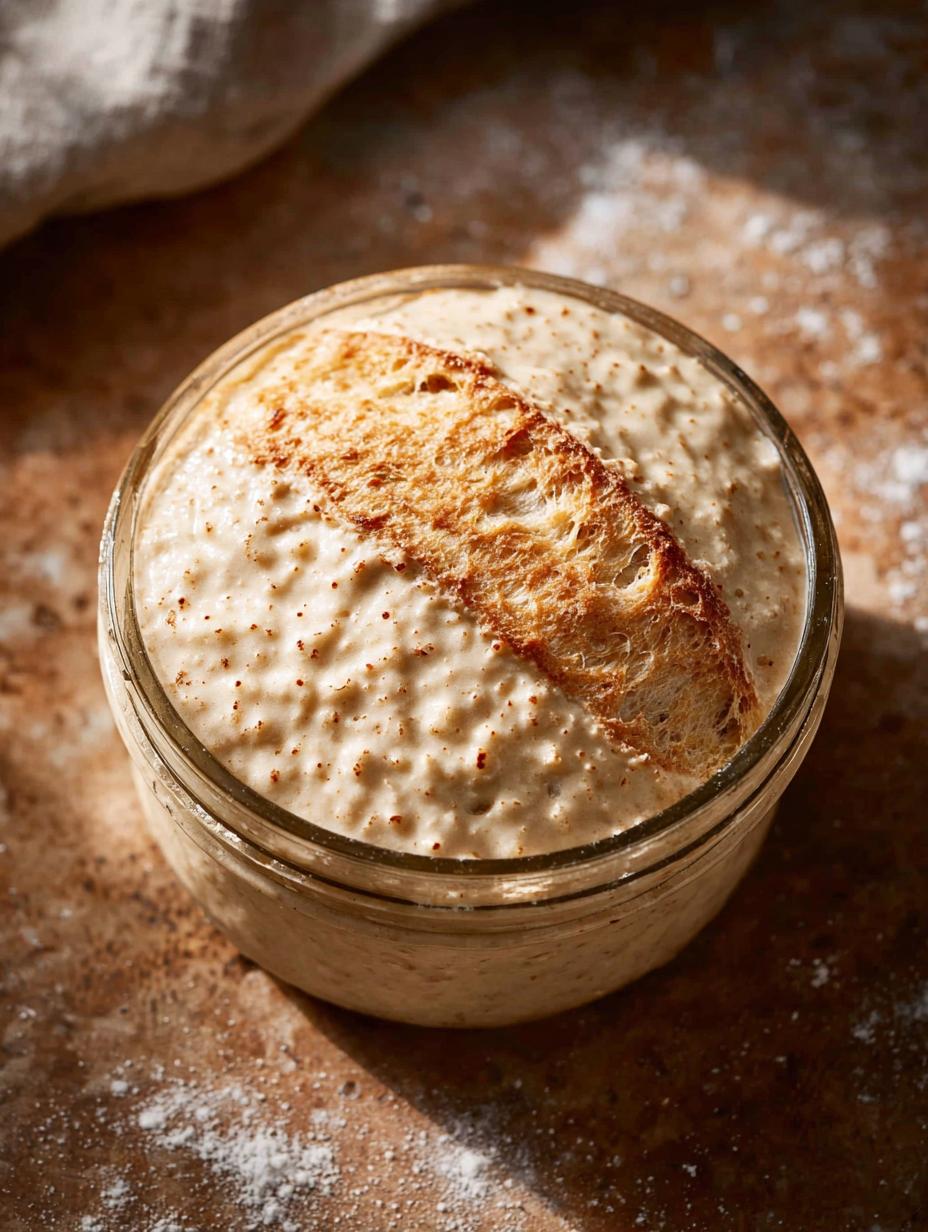
Sourdough Starter is the heart of homemade bread, allowing bakers to create delicious loaves with minimal ingredients. This simple guide will teach you how to make your own wild yeast from scratch, using only flour and water. Not only is it a fun project, but it also brings traditional baking techniques into your kitchen, offering deep flavors and textures in your bread that store-bought yeast simply can’t match. Let’s dive into the world of sourdough and discover how easy it is to cultivate your own.
Why You’ll Love This Sourdough Starter
Making your own sourdough starter is rewarding for many reasons. First, it connects you to the ancient art of bread making, allowing you to appreciate the fermentation process. Second, it’s a sustainable choice since you can create a natural yeast culture that thrives on minimal ingredients. Third, the flavor profile of bread made with a sourdough starter is unmatched; it offers a tangy, rich taste that enhances any loaf. Additionally, it’s a great way to utilize leftover flour, and you’ll have the satisfaction of creating something from scratch. This method of baking is not only healthier but also aligns with vegan diets!
Ingredients for Sourdough Starter
Gather these items:
- A 5lb bag of organic, unbleached all purpose flour.
- Water (Filtered water)
How to Make Sourdough Starter Step-by-Step
- Step 1: Mix ½ cup (60 grams) of flour and ¼ cup (60 grams) of water in a jar and mix well until the flour is completely mixed. Cover loosely and place in a warm place such as the top of the refrigerator for 24 hours or in a warm place at room temperature.
- Step 2: Remove and discard half of the sourdough starter or store it in the refrigerator for use in another recipe. Add to the fermented dough ½ cup (60 grams) of flour and a ¼ cup (60 grams) of water. Stir well, scraping down the sides of the bowl, then cover and let it rest in a warm spot at room temperature for 24 hours.
- Step 3: Continue following the same process you used on Day 2, every day from Day 3 to Day 7. You’ll start to see little bubbles and smell something a little tart or even a little fruity.
- Step 4: From Day 7 to Day 14, continue in the same manner and watch the dough until it has doubled in size (you can use a rubber band or a marker), and when it smells tart and sour and looks bubbly. Drop a small amount of it into a cup of water. If it stays on the surface, you’ve successfully created a natural leavening agent and you’re ready to bake. Congratulations!
Pro Tips for the Best Sourdough Starter
Keep these in mind:
- Use filtered water to avoid chlorine, which can hinder yeast growth.
- Maintain a consistent feeding schedule to keep your sourdough culture lively.
- Store your starter in a glass container to monitor its fermentation progress easily.
- For the best results, use a digital scale for precise measurements.
- Don’t be discouraged by bubbles; they indicate that your sourdough fermentation is on track.
Best Ways to Serve Sourdough Starter
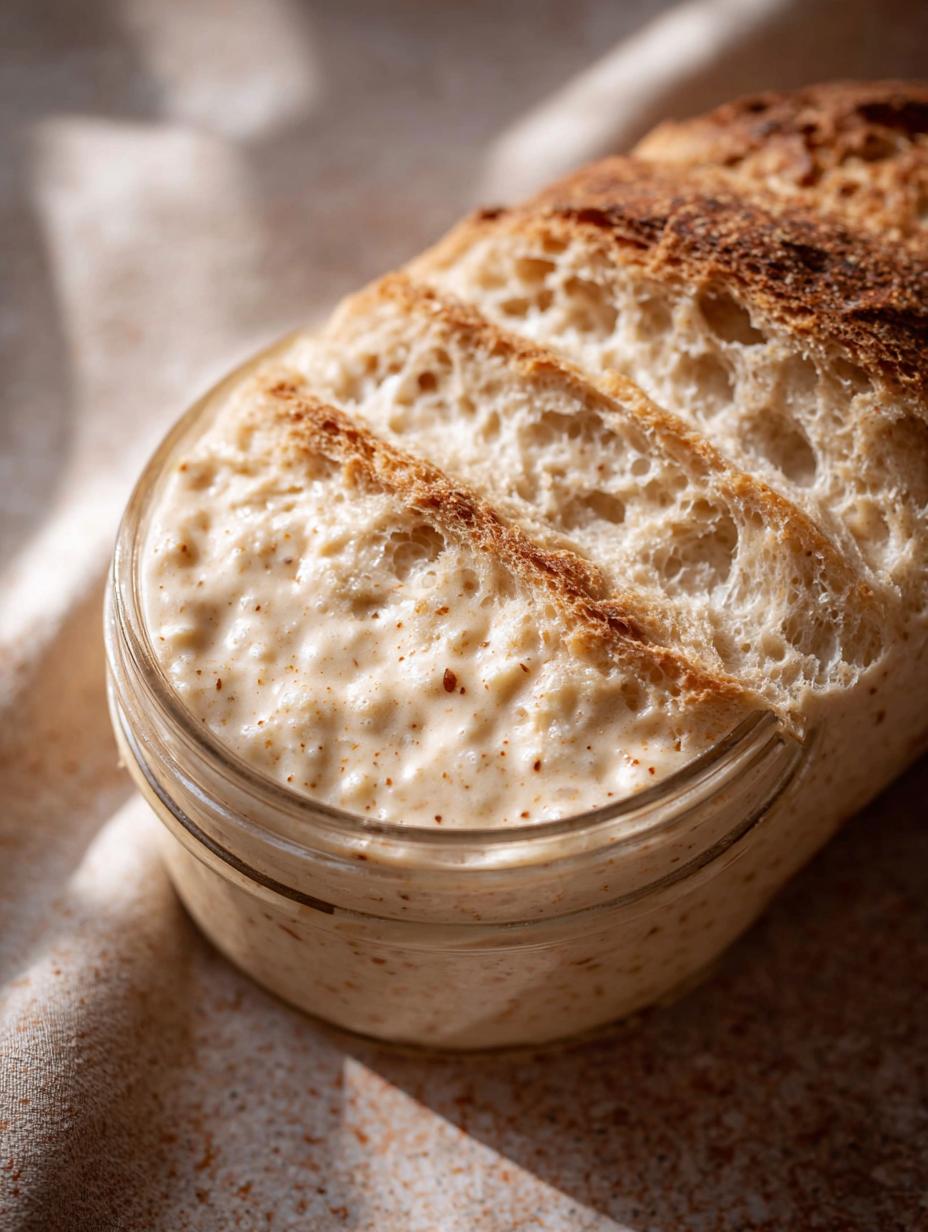
Your sourdough starter can be utilized in various delicious ways. Use it to make a classic sourdough bread, pancakes, or even pizza dough. Each of these recipes takes advantage of the unique flavors imparted by the sourdough leaven, ensuring that every bite is packed with depth and character.
How to Store and Reheat Sourdough Starter
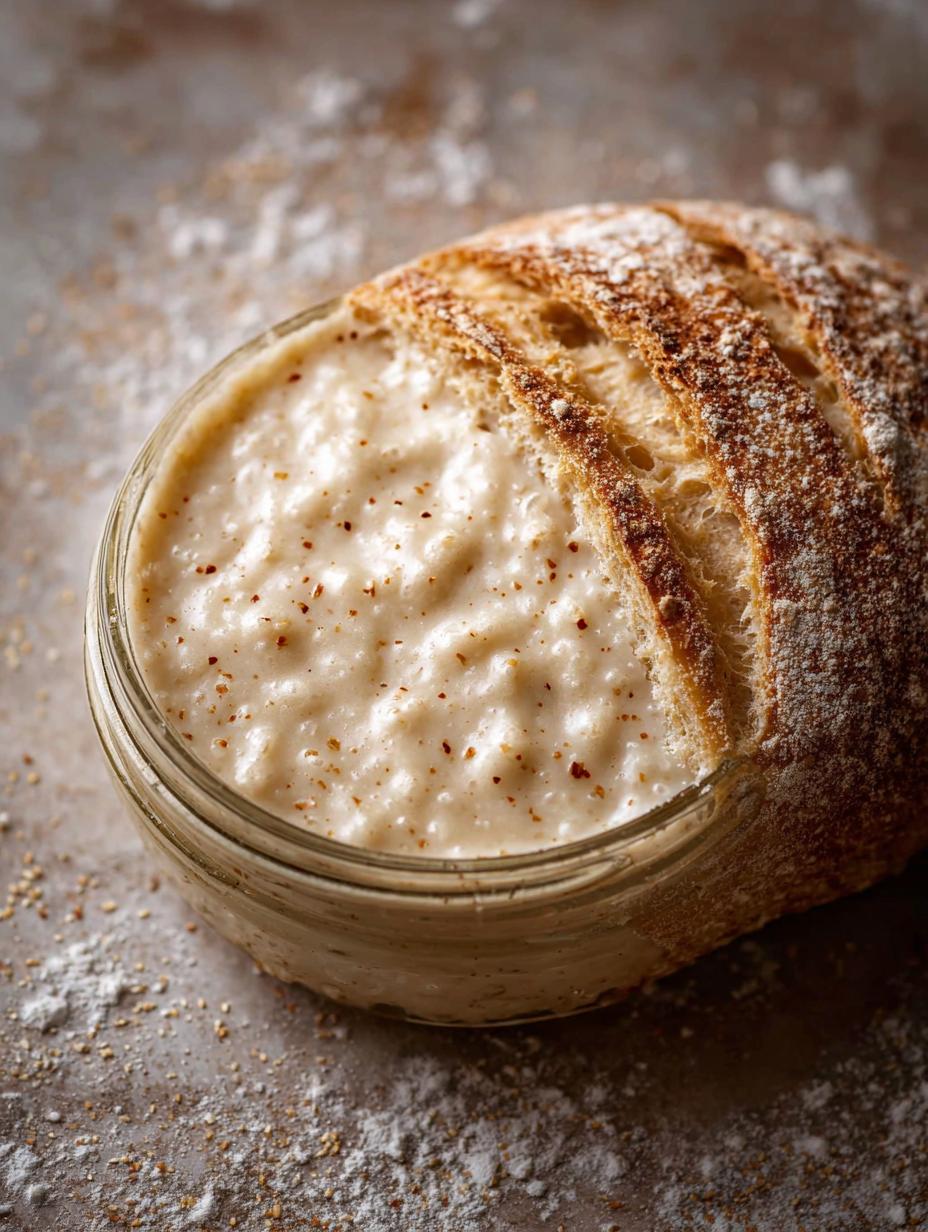
After your sourdough starter is active and bubbly, you can store it in the fridge. Just remember to feed it at least once a week to maintain its strength. When you’re ready to bake, take it out, feed it, and let it come to room temperature before using it in your recipes.
Frequently Asked Questions About Sourdough Starter
What’s the secret to perfect Sourdough Starter?
The secret to a perfect sourdough starter lies in consistent feeding and maintaining the right temperature. Use a warm spot in your kitchen, and make sure to monitor the bubbles and smell for signs of fermentation, which indicates that your wild yeast starter is thriving.
Can I make Sourdough Starter ahead of time?
Yes, you can definitely make a sourdough starter ahead of time! Just ensure you keep it in the refrigerator and feed it weekly. This way, you’ll always have a reliable sourdough culture ready for your baking projects.
How do I avoid common mistakes with Sourdough Starter?
To avoid mistakes, make sure you are using the correct flour, maintaining a regular feeding schedule, and monitoring the temperature where you store your starter. If it smells off or develops a strange color, it may be time to start over.
Variations of Sourdough Starter You Can Try
Experimenting with different types of flour can lead to unique flavors in your sourdough starter. For instance, using whole wheat or rye flour can enhance the sourdough culture’s complexity. Additionally, try adding a bit of fruit juice or honey during the initial stages for a different twist on flavor!
For more baking inspiration, check out our latest recipes or try making chocolate oatmeal bars for a sweet treat!
For further reading on the science of fermentation, visit this article on fermentation.
Print
Sourdough Starter: 14 Days to Homemade Wild Yeast Magic
- Total Time: 14 days
- Yield: 1 sourdough starter 1x
- Diet: Vegan
Description
Make your own wild yeast from scratch. Homemade, healthy, and it will give your homemade bread a wonderful flavor, all using just flour and water.
Ingredients
- A 5lb bag of organic, unbleached all purpose flour.
- Water (Filtered water)
Instructions
- Day 1: Mix ½ cup (60 grams) of flour and ¼ cup (60 grams) of water in the jar and mix well until the flour is completely mixed. Cover loosely and place in a warm place such as the top of the refrigerator for 24 hours or in a warm place at room temperature.
- Day 2: Remove and discard half of the sourdough starter or store it in the refrigerator for use in another recipe. Add to the fermented dough ½ cup (60 grams) of flour and a ¼ cup (60 grams) of water. Stir well, scraping down the sides of the bowl, then cover and let it rest in a warm spot at room temperature for 24 hours.
- Day 3 to 7: Continue following the same process you used on Day 2, every day. You’ll start to see little bubbles and smell something a little tart or even a little fruity.
- Day 7 to 14: Continue in the same manner and watch the dough until it has doubled in size (you can use a rubber band or a marker), and when it smells tart and sour and looks bubbly. Drop a small amount of it into a cup of water. If it stays on the surface, you’ve successfully created a natural leavening agent and you’re ready to bake. Congratulations!
Notes
- Prep Time: 14 days
- Category: Baking
- Method: Fermentation
- Cuisine: Global
Nutrition
- Serving Size: 1 tablespoon
- Calories: 150
Keywords: Sourdough Starter, Homemade Yeast, Bread Making