
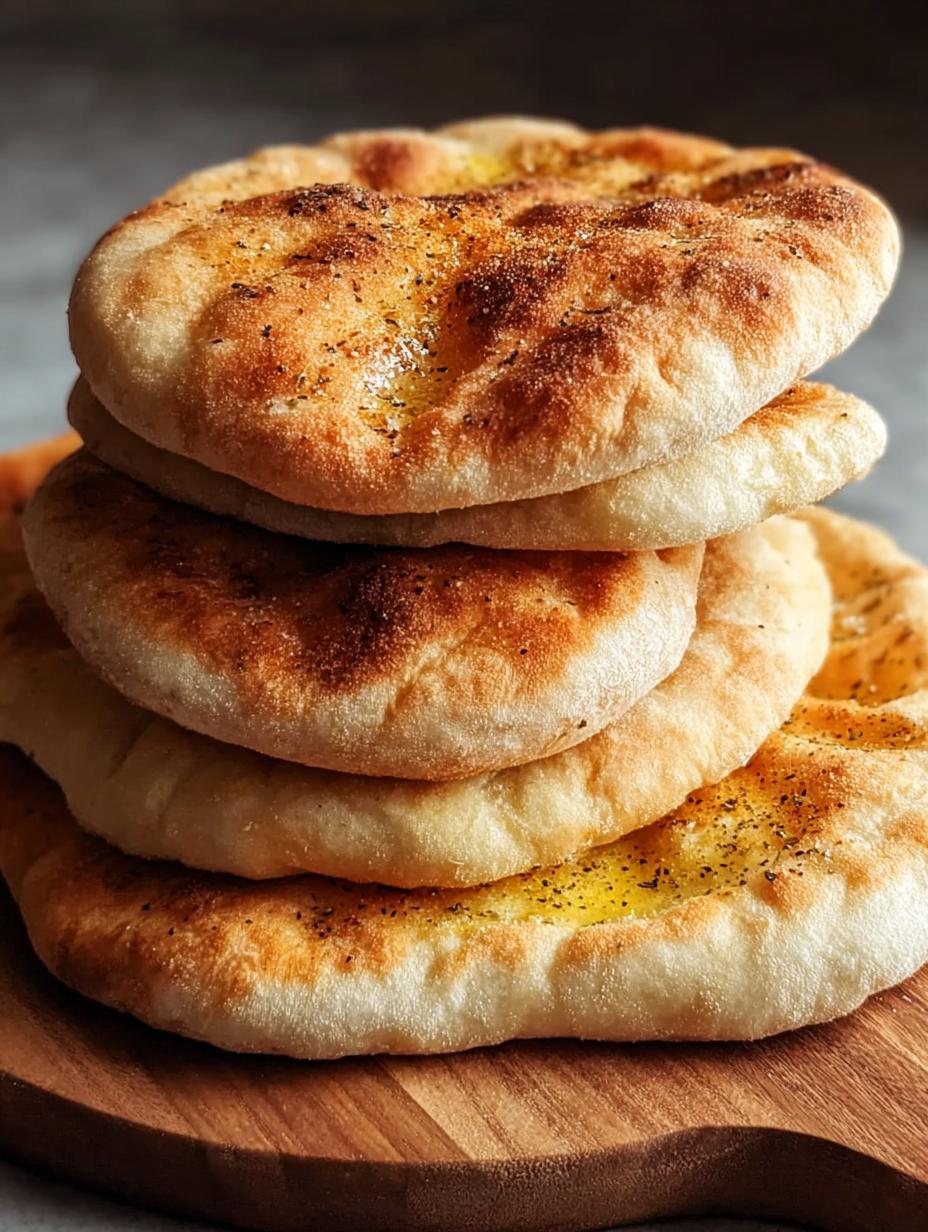
Soft Lebanese Khubz Bread has been a staple in my kitchen for years, bringing the warm, comforting aroma of the Middle East right into my home. I remember the first time I tried making it myself, following my aunt’s handwritten notes; the smell of yeast and warm flour filled my small apartment, promising something truly special. This isn’t just any bread; it’s a pillowy, tender delight that’s perfect for scooping up hummus or wrapping around flavorful shawarma. Learning how to make soft khubz was a game-changer for my weeknight meals, transforming them from ordinary to extraordinary. This authentic khubz recipe is surprisingly simple, and the result is a wonderfully soft Lebanese flatbread that tastes so much better than anything store-bought. Let’s get cooking!
Why You’ll Love This Soft Lebanese Khubz Bread
This recipe is a winner for so many reasons. You’ll adore the incredible taste and texture that comes from this simple dough.
- Amazing Taste: Experience the authentic, slightly nutty flavor of fresh khubz, far superior to store-bought pita.
- Quick Prep: With active yeast and minimal kneading, it’s a surprisingly fast process.
- Healthy Choice: Made with wholesome ingredients like whole wheat flour and olive oil.
- Budget-Friendly: Making homemade khubz bread is significantly cheaper than buying specialty bread.
- Family Favorite: Kids and adults alike will love these soft, pillowy rounds.
- Easy Khubz Bread Making: This recipe breaks down the process into simple, manageable steps.
- Versatile: Perfect for scooping dips, making wraps, or serving alongside any meal.
- Satisfying: There’s a special joy in pulling warm, freshly baked bread from your own oven.
Ingredients for Authentic Khubz Recipe
Gathering the right khubz bread ingredients is the first step toward making this wonderful soft Lebanese flatbread. This recipe is designed for ease, making the process of creating a simple khubz dough straightforward and rewarding. You’ll be amazed at how few pantry staples are needed for such delicious results.
- 2 cups all-purpose flour – the base for our dough
- 1 cup fine semolina flour – this adds a lovely texture and golden hue
- 1 ½ teaspoons kosher salt – for flavor
- 1 tablespoon sugar – helps activate the yeast and adds a hint of sweetness
- 1 tablespoon instant dry yeast – the magic behind the puff!
- ¾ cup warm water (around 105°F) – crucial for waking up the yeast
- 2 tablespoons extra virgin olive oil, plus more for greasing – for richness and a soft crumb
- Optional: 1 tablespoon plain yogurt – adds extra tenderness and a slight tang
- Optional Topping: Extra olive oil for brushing, Sprinkle of za’atar – for finishing touches
How to Make Soft Khubz Bread
Let’s dive into making Lebanese flatbread at home! This straightforward process will have you pulling warm, fluffy rounds from your skillet or oven in no time. The key is patience during the rise and a hot cooking surface to get that signature puff.
Step-by-Step Guide
Yeast Activation
First, let’s wake up our yeast. In a small bowl, combine the ¾ cup warm water (it should feel like a warm bath, not hot!) with the 1 tablespoon sugar and 1 tablespoon instant dry yeast. Give it a gentle stir and let it sit undisturbed for about 5 to 10 minutes. You’re looking for a foamy, bubbly layer on top – that’s your sign the yeast is alive and ready to work its magic!
Dough Preparation and Kneading
Now, grab a large bowl. Combine the 2 cups all-purpose flour, 1 cup fine semolina flour, and 1 ½ teaspoons kosher salt. Make a well in the center and pour in your activated yeast mixture, 2 tablespoons extra virgin olive oil, and the optional 1 tablespoon plain yogurt if you’re using it. Mix everything together with a spoon or your hands until a shaggy dough forms. Turn this dough onto a lightly floured surface and knead for about 8 to 10 minutes. You want it to become smooth, soft, and elastic, springing back when you gently poke it. This develops the gluten that gives our soft pita bread its structure.

First Rise
Form the kneaded dough into a smooth ball. Lightly grease a clean bowl with a little extra olive oil, place the dough ball inside, and turn it to coat. Cover the bowl tightly with plastic wrap or a damp kitchen towel. Find a warm, draft-free spot in your kitchen and let the dough rise for about 1 hour, or until it has doubled in size. This slow rise is crucial for developing flavor and achieving that airy texture.
Shaping and Resting
Once the dough has doubled, gently punch it down to release the air. Turn it out onto your lightly floured surface again and divide it into 6 equal portions. Roll each portion into a smooth ball. Cover these balls loosely with a kitchen towel or plastic wrap and let them rest for another 10 minutes. This short rest makes them easier to roll out.
Rolling the Dough
Take one dough ball at a time and, on your lightly floured surface, roll it out into a circle about 6 to 7 inches in diameter. Aim for a thickness of about ⅛ to ¼ inch. Try to keep the thickness relatively even across the whole round for consistent cooking. This is where you start to see your homemade khubz bread taking shape!
Cooking the Khubz
You have two fantastic options for cooking your khubz. For the stovetop method, preheat a cast iron skillet or heavy-bottomed pan over medium-high heat until it’s nice and hot. Carefully place one rolled-out dough round into the dry skillet. Cook for about 30 seconds until you see small bubbles forming, then flip it. Cook the other side for about a minute, then flip it back. Press gently with a spatula. Your soft Lebanese flatbread should puff up beautifully! If using the oven, preheat it to 475°F (245°C) with a pizza stone or baking steel inside. Place the rolled-out rounds directly onto the hot stone and bake for just 2-3 minutes until they puff up and turn lightly golden. Both methods yield delicious results for your making Lebanese flatbread at home adventure.
Pro Tips for the Best Soft Lebanese Khubz Bread
Achieving that perfect, pillowy texture is easier than you think with a few insider tricks. These tips will ensure your homemade khubz is always a success!
- Always use a very hot cooking surface, whether it’s a cast iron skillet or a preheated oven with a pizza stone. This intense heat is what causes the bread to puff.
- Don’t overcrowd the pan or oven. Cook khubz in batches to maintain the high temperature needed for puffing.
- Ensure your dough is well-rested and rolled to an even thickness. Inconsistent thickness can prevent proper puffing.
What’s the secret to perfect soft Lebanese flatbread?
The secret lies in the heat and the dough’s hydration. A hot surface forces the moisture in the dough to turn to steam rapidly, creating pockets that make it puff. Using a good amount of water in the dough, as in this fluffy khubz bread recipe, is key! For more on the science of baking, you can explore resources on bread baking science.
Can I make this authentic khubz recipe ahead of time?
Yes! You can prepare the dough up to the shaping stage, cover it, and refrigerate it for up to 24 hours. Let it sit at room temperature for about 30 minutes before rolling and cooking. This is a great way to plan ahead for meals, similar to how one might prepare birria tacos in advance.
How do I avoid common mistakes with homemade khubz bread?
The most common mistake is not using a hot enough cooking surface, which is why your khubz bread not soft. Also, overworking the dough after the first rise can make it tough. Be gentle!
Best Ways to Serve Soft Lebanese Khubz Bread
This versatile soft Lebanese flatbread is the perfect canvas for so many delicious meals. It’s not just for dipping; it can be the star of your plate!
- Wrap up your favorite fillings in this bread for an amazing sandwich experience. It’s particularly fantastic for khubz bread for shawarma, creating that perfect pocket for juicy meat and toppings.
- Serve warm rounds alongside hearty stews, flavorful curries, or grilled meats. This soft Arabic bread recipe is ideal for soaking up every last bit of sauce.
- Use it as a base for homemade pizzas or flatbread appetizers, topped with cheese, vegetables, or za’atar.
Nutrition Facts for Authentic Khubz Recipe
Per serving (1 khubz round): This soft Lebanese flatbread is a delicious and relatively light option for your meals. Enjoy it knowing it’s made with wholesome ingredients.
- Calories: Approximately 150-200 (estimated)
- Fat: Approximately 3-5g (estimated)
- Saturated Fat: Approximately 0.5-1g (estimated)
- Protein: Approximately 4-6g (estimated)
- Carbohydrates: Approximately 25-30g (estimated)
- Fiber: Approximately 1-2g (estimated)
- Sugar: Approximately 2-3g (estimated)
- Sodium: Approximately 300-400mg (estimated)
Nutritional values are estimates and may vary based on specific ingredients used in this homemade khubz bread.
How to Store and Reheat Homemade Khubz Bread
Keeping your homemade khubz bread fresh is simple with these storage tips. Once your delicious soft Lebanese flatbread has cooled completely, you’ll want to store it properly to maintain its wonderful texture. For short-term storage, place the cooled khubz in an airtight container or a zip-top bag. This will help in keeping Lebanese flatbread fresh on your counter for about 3 to 4 days. If you plan to keep it longer, freezing is your best bet. Wrap the cooled khubz tightly in plastic wrap, then place it in a freezer-safe bag. It can stay frozen and delicious for up to 3 months. Reheating is just as easy! For a quick refresh, microwave a few rounds for 15-20 seconds. For a softer, more authentic feel, warm them gently in a dry skillet over low heat for about a minute per side, or pop them in a preheated oven at 350°F (175°C) for a few minutes until warm and pliable.
Frequently Asked Questions About Soft Lebanese Khubz Bread
What is Lebanese khubz?
Lebanese khubz is a type of soft, round, leavened flatbread that is a staple across the Middle East. It’s known for its pillowy texture and its ability to puff up when cooked, creating a pocket that’s perfect for fillings. You might also know it as Arabic bread or soft pita bread. This authentic khubz recipe aims to replicate that traditional taste and texture right in your own kitchen.
How do I get soft khubz bread that puffs up?
The key to getting that signature puff in your soft khubz bread is a combination of a few things. First, make sure your yeast is active and your dough has had a good, full rise. Second, and most importantly, your cooking surface needs to be extremely hot! Whether you’re using a cast iron skillet or an oven with a pizza stone, intense heat is crucial. This causes the moisture in the dough to rapidly turn into steam, forcing the bread to puff dramatically. Don’t worry if they don’t all puff perfectly; they’ll still be delicious! For more on achieving the perfect puff, check out tips on pita bread making.
Can I use whole wheat flour for this soft Lebanese flatbread recipe?
Absolutely! You can substitute half of the all-purpose flour with whole wheat flour for a heartier, whole-grain version of this soft Lebanese flatbread. You might need to add a tiny bit more water, as whole wheat flour can absorb more liquid. The texture might be slightly denser, but it will still be wonderfully soft and delicious. Just be sure to still use the semolina flour for that authentic texture and color.
Why is my khubz bread not soft after baking?
If your khubz bread not soft, it’s often due to a few common pitfalls. Overbaking is a big one; the bread can dry out quickly. Also, if your cooking surface wasn’t hot enough, the bread might not have puffed properly and could end up dense. Another reason could be overworking the dough after the first rise, which can make it tough. Ensure you’re following the cooking times closely and using a very hot pan or oven for the best results. For more general baking advice, consider resources from King Arthur Baking.
Variations of Soft Lebanese Flatbread You Can Try
While this authentic khubz recipe is fantastic on its own, don’t be afraid to experiment! Modifying your soft Lebanese flatbread can lead to exciting new flavors and textures, making it a truly versatile addition to your kitchen. These variations ensure you always have the perfect bread for any occasion.
- Whole Wheat Version: For a healthier twist on this traditional Lebanese bread, swap half of the all-purpose flour for whole wheat flour. You might need a splash more water since whole wheat absorbs more liquid. This creates a heartier loaf while still maintaining a lovely softness.
- Herbed Khubz: Infuse flavor directly into the dough by adding finely chopped fresh herbs like parsley, mint, or cilantro during the dough mixing stage. This elevates your best khubz recipe for serving with grilled meats or fresh salads.
- Garlic & Cheese Khubz: After rolling out the dough and before cooking, brush with melted butter or olive oil, sprinkle with minced garlic, and a light dusting of grated Parmesan or mozzarella cheese. Cook as usual for a savory treat.
- Spelt Flour Variation: If you’re looking for an ancient grain alternative, try using spelt flour instead of all-purpose. It offers a slightly nutty flavor and a wonderful chewy texture, making for a delightful variation on traditional Lebanese bread.

Soft Lebanese Khubz Bread: Simple & Amazing Recipe
- Total Time: 1 hour 30 minutes
- Yield: 6 medium-sized khubz rounds 1x
- Diet: Vegetarian
Description
Learn to make soft Lebanese Khubz bread at home with this authentic recipe. This easy khubz bread making guide uses semolina and olive oil for a pillowy texture, perfect for any Middle Eastern meal.
Ingredients
- 2 cups all-purpose flour
- 1 cup fine semolina flour
- 1 ½ teaspoons kosher salt
- 1 tablespoon sugar
- 1 tablespoon instant dry yeast
- ¾ cup warm water (around 105°F)
- 2 tablespoons extra virgin olive oil, plus more for greasing
- Optional: 1 tablespoon plain yogurt
- Optional Topping: Extra olive oil for brushing, Sprinkle of za’atar
Instructions
- Activate the yeast: Mix warm water, sugar, and yeast in a small bowl. Let sit for 5–10 minutes until bubbly.
- Make the dough: In a large bowl, combine flour, semolina, and salt. Add yeast mixture, olive oil, and optional yogurt. Mix until a shaggy dough forms.
- Knead the dough: Turn dough onto a lightly floured surface and knead for 8–10 minutes until smooth and elastic.
- Let it rise: Form dough into a ball, coat with olive oil, and place in a bowl. Cover and let rise in a warm spot for 1 hour, or until doubled.
- Divide and rest: Punch down dough and divide into 6 equal pieces. Roll into balls and let rest, covered, for 10 minutes.
- Roll it out: On a lightly floured surface, roll each ball into a 6–7 inch round, about ⅛ to ¼ inch thick.
- Cook the khubz: Preheat a cast iron skillet or pizza stone over medium-high heat (or oven to 475°F).
- For stovetop: Cook each round in the hot skillet for about 30 seconds per side, flipping once more until puffed.
- For oven: Place rounds on a hot pizza stone or baking steel and bake for 2–3 minutes until puffed and lightly golden.
- Brush and serve: Brush warm khubz with olive oil and optional za’atar. Serve warm.
Notes
- This recipe yields soft Lebanese Khubz bread, also known as Arabic bread or pita bread.
- The semolina flour adds flavor and a golden color to your homemade khubz bread.
- Ensure your yeast is active for a good rise in your simple khubz dough.
- Don’t worry if your khubz bread doesn’t puff up completely; it will still taste delicious.
- For a thinner bread, akin to lavash, roll the dough out more thinly.
- This soft Lebanese flatbread is ideal for scooping dips or serving with grilled meats.
- Prep Time: 20 minutes
- Cook Time: 10 minutes
- Category: Bread
- Method: Baking/Stovetop
- Cuisine: Lebanese
Nutrition
- Serving Size: 1 khubz round
- Calories: Approximately 150-200 (estimated)
- Sugar: Approximately 2-3g (estimated)
- Sodium: Approximately 300-400mg (estimated)
- Fat: Approximately 3-5g (estimated)
- Saturated Fat: Approximately 0.5-1g (estimated)
- Unsaturated Fat: Approximately 2.5-4g (estimated)
- Trans Fat: 0g
- Carbohydrates: Approximately 25-30g (estimated)
- Fiber: Approximately 1-2g (estimated)
- Protein: Approximately 4-6g (estimated)
- Cholesterol: 0mg
Keywords: Soft Lebanese Khubz Bread, soft Lebanese flatbread, authentic khubz recipe, easy khubz bread making, how to make soft khubz, homemade khubz bread, simple khubz dough, making Lebanese flatbread at home, soft pita bread, fluffy khubz bread recipe