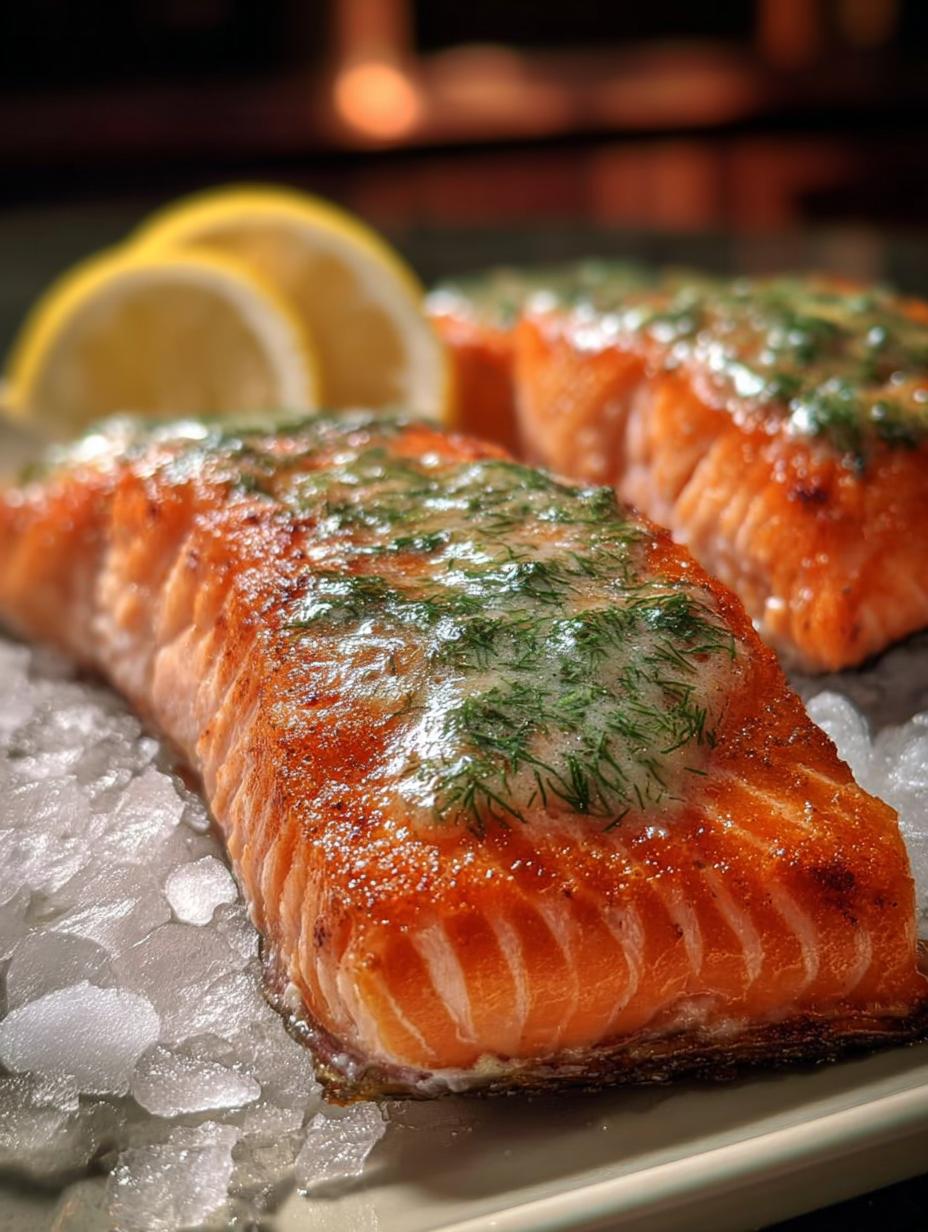
Fresh frozen fish has completely changed how I approach seafood, and once you understand the “why” behind it, you’ll agree! For years, I was a staunch advocate only for fish I could see on ice, convinced that anything frozen was a compromise. I remember one disastrous dinner party where the “fresh” salmon I’d painstakingly sourced tasted disappointingly bland and a bit mushy. It wasn’t until I tried some flash-frozen cod that I realized my mistake. The flaky texture and clean flavor were incredible! This experience taught me that the real secret isn’t just about whether fish is fresh or frozen, but *how* it was frozen and handled. We’ll dive into the nuances of fresh vs frozen fish, explore what truly matters for flavor, and I’ll show you how to pick the best options every time. Let’s get cooking!
Fresh vs Frozen Fish: Understanding the Difference
Let’s clear up the confusion about fresh vs frozen fish. The biggest difference lies in how quickly the fish is frozen after being caught. Commercial flash-freezing locks in freshness almost immediately, preserving the quality. Here’s a quick rundown of the benefits:
- What is the difference between fresh and frozen fish? Commercial freezing happens at sea or very soon after, stopping degradation.
- Frozen fish versus fresh fish often means better quality because the freezing process is superior to slow, home freezing.
- Flash-frozen fish retains more moisture, leading to a juicier, more tender texture when cooked.
- Nutrients, including healthy omega-3 fatty acids, are largely preserved in properly frozen fish.
- Frozen fish offers incredible convenience and reduces food waste, as you can use only what you need.
- Cost-effectiveness is a major plus; frozen varieties are often more budget-friendly than their ‘fresh’ counterparts.
- You can enjoy a wider variety of fish year-round, regardless of seasonality or location.
Ingredients for Fresh Frozen Fish
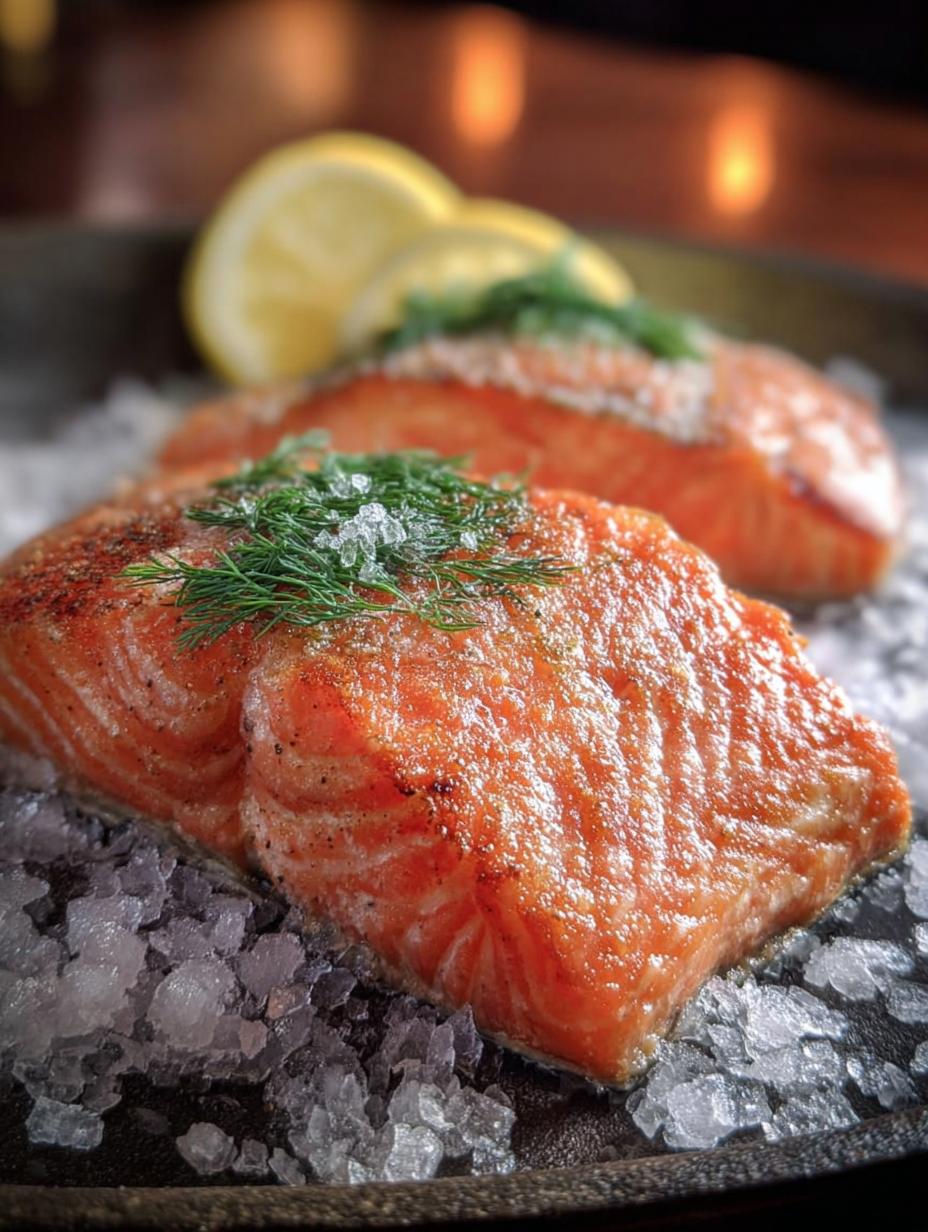
When working with seafood, whether it’s fresh or frozen, the supporting ingredients are key. Here’s what you’ll need to make a delicious meal that highlights the quality of your fish, proving that fresh vs frozen fish for cooking can yield amazing results.
- 1 to 1.5 lbs fish fillets (salmon, cod, haddock) – choose based on your preference; flash-frozen is often best for consistency.
- 1/2 lb shrimp, peeled and deveined – adds a lovely sweetness and texture.
- 1/2 lb scallops, patted very dry – these cook quickly and offer a delicate, buttery flavor.
- 2 tuna steaks (about 1 inch thick) – perfect for searing, even from frozen.
- 1 lemon, half juiced, half cut into wedges – its bright acidity cuts through richness.
- 4 tablespoons unsalted butter – forms the base of many wonderful sauces.
- 2 tablespoons fresh dill, chopped – or other fresh herbs like parsley or chives.
- Salt to taste – essential for bringing out the natural flavors.
- 1/4 cup honey-garlic sauce (optional) – for a sweet and savory glaze.
How to Make Fresh Frozen Fish
Creating a fantastic seafood meal is totally achievable, whether you’re starting with fish straight from the freezer or a recent catch. Let’s get cooking and explore how to make the most of your seafood. Remember, the goal is to bring out that delicious flavor, and understanding the nuances makes all the difference!
- Step 1: Preheat your oven to 400°F (200°C). If you’re using frozen fish, this is where you decide: thaw it first or cook from frozen? For a great result, how to thaw frozen fish properly is key. The best method is in the refrigerator overnight. If you’re in a rush, a cold-water bath works too. Avoid room temperature thawing, as it can affect texture and safety.
- Step 2: Prepare your fish. Pat any thawed fillets or steaks completely dry with paper towels. This is crucial for achieving a good sear or a nice crust in the oven. If cooking from frozen, skip this step for now.
- Step 3: Season generously. Sprinkle your fish with salt to taste. This really makes a difference in the final fresh vs frozen fish taste. For a simple yet amazing flavor, place the fish in a baking dish.
- Step 4: Add aromatics. Dot the fish with 4 tablespoons unsalted butter and sprinkle with 2 tablespoons fresh dill. Squeeze the juice from half a lemon over the top. If using, spoon the 1/4 cup honey-garlic sauce over the fish now, especially if cooking from frozen.
- Step 5: Bake the fish. For thawed fillets (about 1-inch thick), bake for 10-15 minutes. For frozen fillets, you’ll need about 18-22 minutes. The fish is done when it flakes easily with a fork. Oily fish like salmon might take a bit longer.
- Step 6: Sear shrimp and scallops. While the fish bakes, heat a skillet over medium-high heat with a touch of oil or butter. Sear the 1/2 lb shrimp and 1/2 lb scallops for 1-2 minutes per side until pink and opaque. The smell is incredible!
- Step 7: Sear tuna steaks. For the tuna steaks, sear them in the same hot skillet for 2-3 minutes per side for medium-rare, turning them only once.
- Step 8: Serve immediately. Plate your beautifully baked fish alongside the seared shrimp, scallops, and tuna. Garnish with fresh lemon wedges and a little extra dill. Enjoy the fantastic flavors!
Pro Tips for the Best Fresh Frozen Fish
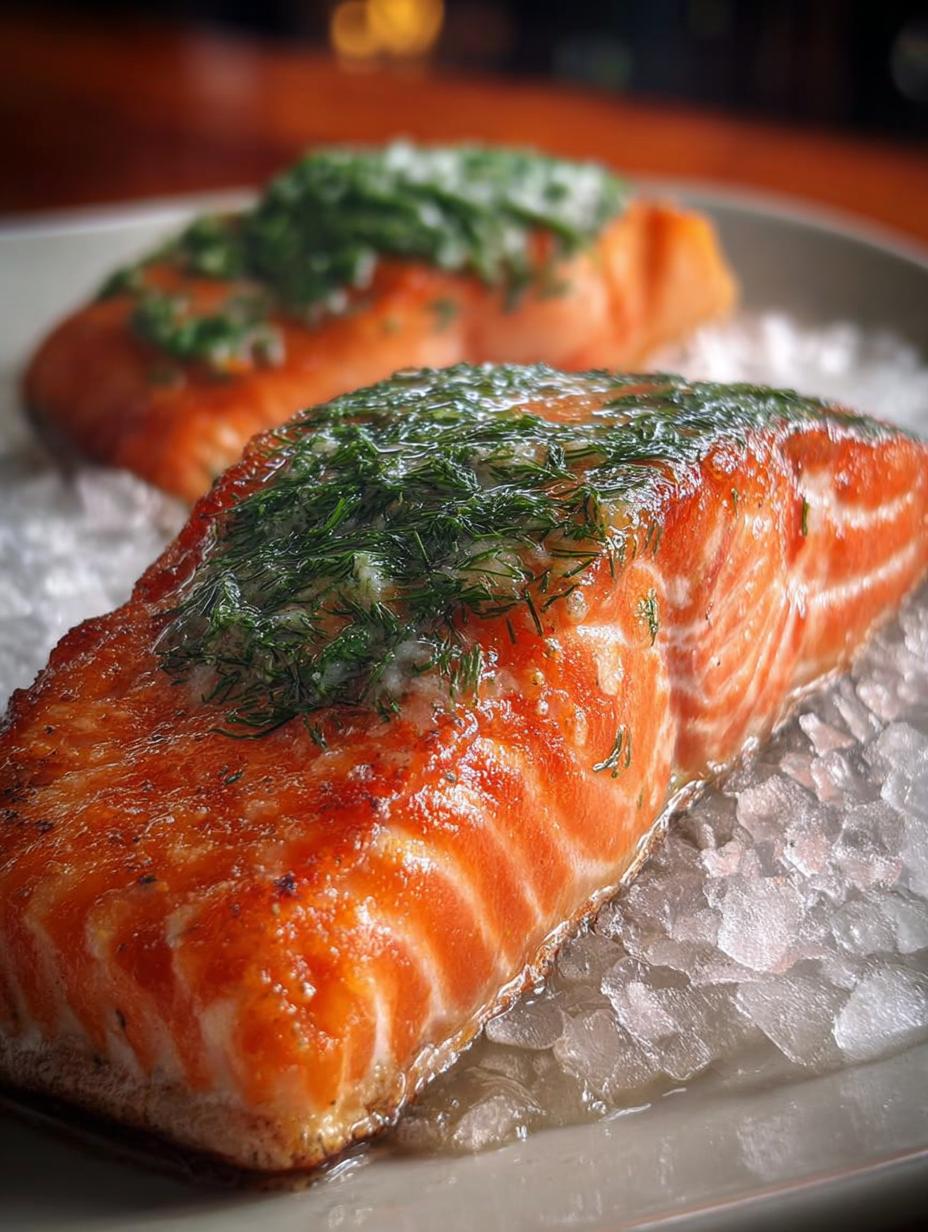
Achieving restaurant-quality seafood at home is totally doable, especially when you know a few tricks. These tips will elevate your cooking, proving that fresh vs frozen fish quality can be outstanding.
- When buying frozen, look for “flash-frozen” or “individually quick frozen” (IQF). This means the fish was frozen rapidly right after being caught, preserving its texture and flavor much better than slower freezing methods.
- Don’t be afraid of slightly imperfect-looking frozen fish. Sometimes the best quality fish is frozen because it couldn’t be sold as “fresh” immediately, but the freezing process itself maintains its integrity.
- Always thaw fish gently in the refrigerator. This slow thawing process helps retain moisture and prevents the delicate muscle fibers from breaking down.
What’s the secret to perfect Fresh Frozen Fish?
The real secret is understanding that is frozen fish as good as fresh when it’s flash-frozen properly. The key is minimal ice crystal formation during freezing, which preserves the delicate cell structure. This means less moisture loss and a superior texture. For more on the science of food preservation, check out resources on food safety practices.
Can I make Fresh Frozen Fish ahead of time?
Yes, you absolutely can! The best way to freeze fresh fish at home is to portion it, wrap it tightly in plastic wrap, then in foil, and freeze it. Properly frozen fish lasts for months, giving you convenient seafood options whenever you need them.
How do I avoid common mistakes with Fresh Frozen Fish?
My biggest tip is to avoid thawing fish in the microwave or at room temperature, as this can cook the fish unevenly and affect its texture. Always check packaging for signs of freezer burn; if the fish looks icy or has dark spots, it might be too old. Learning how to tell if frozen fish is fresh means checking for intact packaging and no signs of thawing and refreezing.
Best Ways to Serve Fresh Frozen Fish
Once you’ve mastered cooking with fresh frozen fish, you’ll find it pairs beautifully with a variety of sides. The versatility means you can enjoy it in so many ways, proving that the fresh vs frozen fish for cooking debate is really about technique, not just origin. For a light and healthy meal, serve your flaky baked fish with a vibrant quinoa salad and steamed asparagus. If you’re craving something comforting, consider pan-seared fish with creamy mashed potatoes and a side of tender green beans. For a more elegant presentation, try grilled tuna steaks with a colorful medley of roasted root vegetables. Each option allows the natural flavor of the fish to shine through.
Nutrition Facts for Fresh Frozen Fish
Understanding the nutritional profile of your seafood is essential, whether you’re choosing fresh vs frozen fish. The health benefits are largely the same, as the freezing process preserves key nutrients. Keep in mind that the exact values for fresh fish vs frozen fish nutrition will vary based on the specific type of fish and portion size.
- Serving Size: Varies by fish type and portion size (e.g., 4 oz fillet)
- Calories: Varies by fish type (e.g., Salmon: ~200-250, Cod: ~100-120)
- Fat: Varies by fish type (e.g., Salmon: ~12-15g, Cod: ~1-2g)
- Saturated Fat: Varies (generally low, higher in fattier fish)
- Unsaturated Fat: Varies (high in oily fish like salmon, rich in omega-3s)
- Protein: High (typically 20-30g per serving)
- Carbohydrates: 0g
- Fiber: 0g
- Sugar: Negligible
- Sodium: Varies (can be higher in processed or pre-seasoned products)
Nutritional values are estimates and may vary based on specific ingredients and preparation methods used.
How to Store and Reheat Fresh Frozen Fish
Proper storage is key to maintaining the excellent fresh vs frozen fish quality you’ve worked hard to achieve. Once your cooked fish has cooled slightly, it’s time to think about preservation. For the best results, transfer any leftovers to an airtight container. This helps prevent exposure to air, which can lead to drying out and potential spoilage.
You can safely store cooked fish in the refrigerator for about 3 to 4 days. If you’ve cooked a larger batch or want to save some for later, freezing is an excellent option. Properly stored, cooked fish can last in the freezer for up to 3 months. When you’re ready to enjoy it again, the best way to reheat is gently. Try warming it in a covered oven-safe dish at a low temperature (around 250°F or 120°C) with a splash of water or broth to keep it moist. Alternatively, a quick reheat in a skillet over low heat can also work wonders.
Frequently Asked Questions About Fresh Frozen Fish
Fresh or frozen fish which is better?
Honestly, it depends on the situation and the quality of the product. For everyday cooking, is frozen fish as good as fresh when it’s flash-frozen at sea. This method preserves texture and flavor exceptionally well. If you have access to incredibly fresh, just-caught fish that will be cooked within hours, that’s ideal. But for most of us, high-quality frozen fish offers superior consistency and convenience.
What to look for in frozen fish?
When selecting frozen fish, always check the packaging. Look for signs that indicate it was handled well, such as “flash-frozen” or “individually quick frozen” (IQF). Avoid packages that are torn, show signs of ice crystals (which can indicate thawing and refreezing), or have dark, dry spots on the fish. The fish should look plump and have a clear, bright color, not dull or discolored.
Can I use frozen fish for sushi?
Yes, but with a crucial caveat! For sushi-grade fish, it *must* be specifically labeled as such and should have undergone a deep-freezing process (typically -4°F or -20°C for 7 days) to kill parasites. This is a safety requirement for raw consumption. Standard home freezing or even commercial freezing might not reach these temperatures, so always check the label and trust reputable sources for fish intended for raw consumption.
What is flash frozen fish?
Flash freezing, often done on fishing vessels immediately after the catch, involves freezing fish extremely rapidly at very low temperatures. This process creates tiny ice crystals within the fish’s cells, minimizing damage to the delicate muscle fibers and preserving the texture and flavor much better than slower freezing methods.
Variations of Fresh Frozen Fish You Can Try
Exploring different ways to prepare seafood opens up a world of delicious possibilities, proving that the fresh vs frozen fish health benefits are accessible in many forms. Whether you’re using fish straight from the freezer or a recent catch, these variations offer something for everyone.
- Baked Fish with Citrus Glaze: For a lighter, brighter flavor, try baking your fish (salmon or cod work wonderfully) with a glaze made from lemon juice, honey, and a hint of ginger. This method gently cooks the fish, keeping it moist and tender.
- Pan-Seared Fish with Herb Crust: Achieve a delightful crispy exterior by coating your fish fillets (like haddock or tuna steaks) in a mixture of panko breadcrumbs, chopped fresh herbs, and a touch of Parmesan cheese before pan-searing in a hot skillet.
- Fish Tacos with Creamy Slaw: Flaky white fish, whether fresh or frozen and then cooked, is perfect for tacos. Gently flake the cooked fish and serve in warm tortillas with a zesty lime-infused slaw for a vibrant, satisfying meal.
- Curried Fish Stew: For a comforting and flavorful dish, simmer chunks of firm fish (such as cod or halibut) in a fragrant coconut milk broth with curry spices, vegetables like bell peppers and spinach. This is a fantastic way to enjoy seafood, especially during colder months.
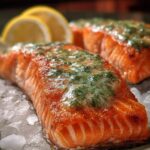
Fresh Frozen Fish: Amazing Flavor Secrets Revealed
- Total Time: 10 minutes + thawing time
- Yield: Serves 1-4
- Diet: Low Fat
Description
This guide explores the differences between fresh and frozen fish, helping you make the best choice for flavor and quality. Learn how freezing affects fish texture, which types are best suited for freezing, and smart thawing techniques. Discover that well-frozen fish can often be superior to ‘tired’ fresh fish.
Ingredients
- Fish fillets (e.g., salmon, cod, haddock)
- Shrimp
- Scallops
- Tuna steaks
- Lemon
- Butter
- Dill
- Salt
- Honey-garlic sauce
Instructions
- Understand how freezing impacts fish: rapid commercial blast-freezing minimizes ice crystal damage compared to slow home freezing.
- Recognize that quick freezing leads to less moisture loss upon thawing, resulting in a juicier fillet.
- Note that oily fish like salmon freeze better due to fat content protecting muscle fibers.
- Consider that ‘fresh’ fish may not always be superior, as it can degrade over time during transport.
- Choose fresh fish when counter turnover is high (under 24 hours), the flesh springs back, and there’s no ammonia smell.
- Opt for frozen fish when supermarket deliveries are infrequent or if you are buying in bulk for meal prep.
- Select frozen options like salmon, cod, haddock, shrimp, scallops, and sashimi-grade tuna.
- Prioritize truly fresh fish for delicate white fish (sole, flounder) and live shellfish (mussels, clams).
- Thaw fish using the fridge method (best) or a cold-water quick thaw, avoiding room temperature or microwave thawing.
- Enhance flavor after thawing by patting fish dry, air-drying for 10 minutes, and seasoning with salt 15 minutes before cooking.
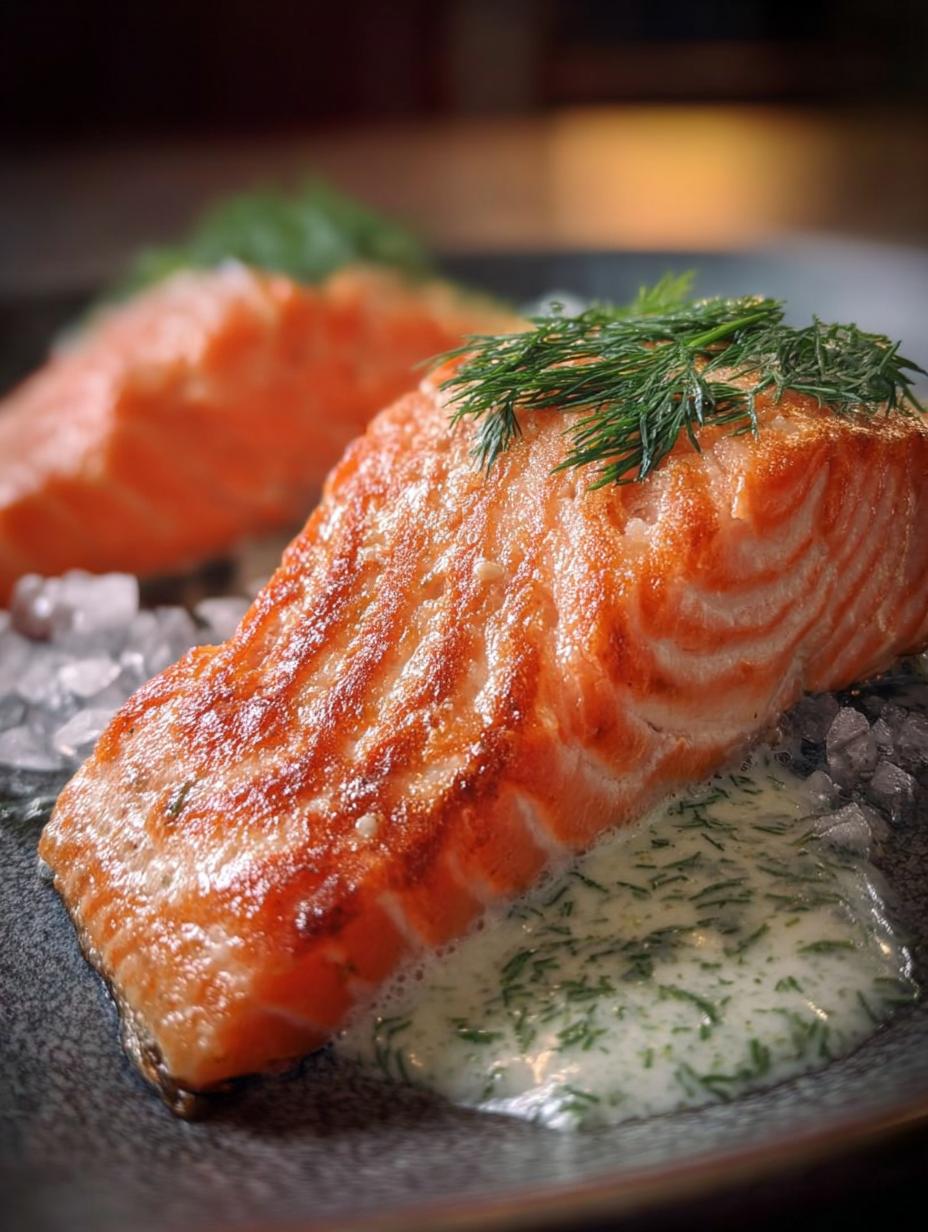
- Serve with a bright sauce like lemon-butter or creamy dill.
- For cooking fish directly from frozen (e.g., baked salmon), add 5-7 minutes to the cooking time and glaze halfway through.
Notes
- Chef Gordon Ramsay states that great frozen fish is better than tired fresh fish.
- Individually Quick Frozen (IQF) portions can be cost-effective and reduce waste.
- Nutrients, including omega-3s, are preserved in flash-frozen fish.
- Store fatty fish in the freezer for up to 3 months and lean fish for up to 6 months if vacuum-sealed.
- Prep Time: 10 minutes
- Cook Time: Varies by method
- Category: Seafood Cooking Guide
- Method: Cooking and Thawing Techniques
- Cuisine: Global
Nutrition
- Serving Size: Varies by fish type and portion size
- Calories: Varies by fish type and portion size
- Sugar: Negligible
- Sodium: Varies
- Fat: Varies by fish type (e.g., oily vs. lean)
- Saturated Fat: Varies
- Unsaturated Fat: Varies (high in oily fish)
- Trans Fat: 0g
- Carbohydrates: 0g
- Fiber: 0g
- Protein: High
- Cholesterol: Varies
Keywords: fresh frozen fish, fresh vs frozen fish, what is the difference between fresh and frozen fish, fresh or frozen fish which is better, frozen fish versus fresh fish, fresh fish vs frozen fish taste, fresh fish vs frozen fish nutrition, how to tell if frozen fish is fresh, is frozen fish as good as fresh, fresh vs frozen fish for cooking, what to look for in frozen fish, fresh fish vs frozen fish safety, fresh vs frozen fish price, fresh vs frozen fish quality, best way to freeze fresh fish, how to thaw frozen fish properly, fresh vs frozen fish for sushi, fresh vs frozen fish health benefits, what is flash frozen fish, fresh versus frozen fish comparison, frozen fish vs fresh fish debate